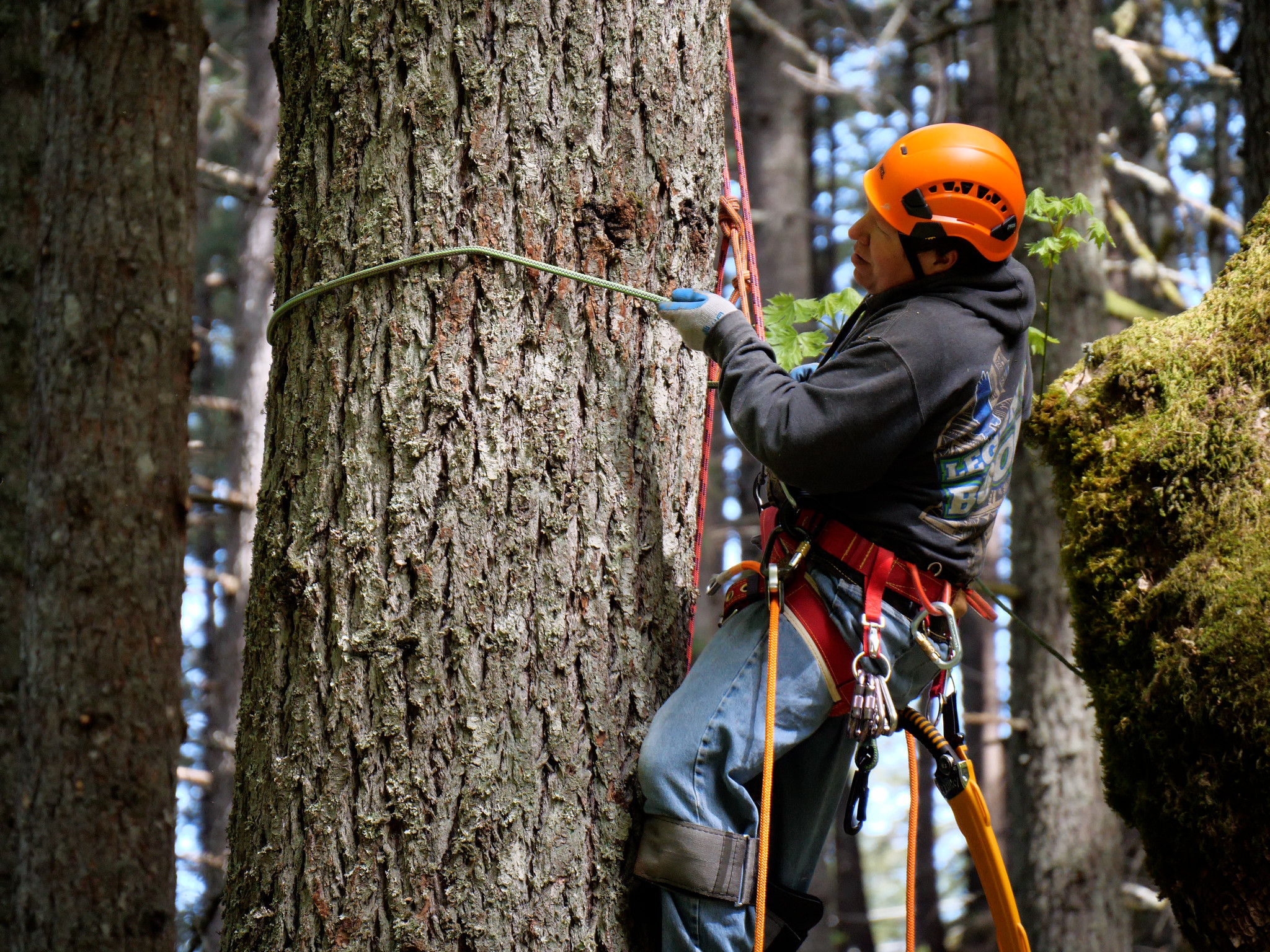
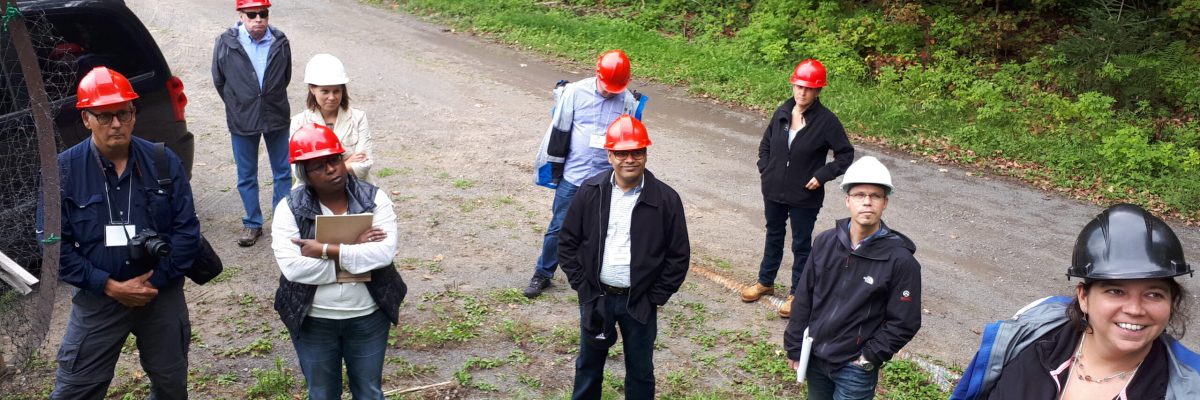
The Working Groups of the North American Forest Commission (NAFC) are the primary engines of collaboration among Canada, Mexico, and the United States, bringing together technical specialists from each country to address shared forest challenges across the continent. Through these groups, NAFC carries out its mandate by supporting research, advancing natural resource management, and fostering cross‑border cooperation on priority topics. By exchanging expertise and developing tools and strategies tailored to North America’s diverse boreal, temperate, and tropical ecosystems, the Working Groups generate knowledge that strengthens sustainable forest management both within the region and in other parts of the world facing similar conditions.
![<subject>[headshot] image of customer (for a productivity tools business)</subject>](https://cdn.prod.website-files.com/684a8004bfb22105b7a27ff9/69b193753b13d5760a1c6811_cloud-storm.svg)
The Climate, Atmospheric Change and Forests Working Group promotes the knowledge of forest ecosystems through the science and monitoring of the effects of atmospheric changes on these forests, through international cooperation and dissemination of new technologies and techniques among the cooperating countries.
![<subject>[headshot] image of customer (for a productivity tools business)</subject>](https://cdn.prod.website-files.com/684a8004bfb22105b7a27ff9/69b19375c6c76a309d4ebfe0_flame.svg)
The Fire Management Working Group is a forum for exchanging experience and technology for the protection and control of forest fires; for cooperation among the three NAFC countries to develop strategies and actions to solve technical and management problems; and to actively participate with international agencies to conduct and promote activities that will foster world-wide cooperation and development.
![<subject>[headshot] image of customer (for a productivity tools business)</subject>](https://cdn.prod.website-files.com/684a8004bfb22105b7a27ff9/69b193754a5fdf304663ac3e_dna-2.svg)
Generate, share and disseminate knowledge that is crucial for the conservation and the sustainable use of North American forest genetic resources for the benefit of present and future generations.
![<subject>[headshot] image of customer (for a productivity tools business)</subject>](https://cdn.prod.website-files.com/684a8004bfb22105b7a27ff9/69b193754696bd8bc341e013_bug.svg)
The Forest Insects and Diseases Working Group promotes the protection of forest resources throughout North America for the benefit of member countries and future generations. The Working Group aims to achieve this through: a) the prevention and eradication of forest insects and diseases and b) the maintenance and improvement of tree and forest health through international cooperation.
![<subject>[headshot] image of customer (for a productivity tools business)</subject>](https://cdn.prod.website-files.com/684a8004bfb22105b7a27ff9/69b193759f896614072858f0_chart-arrows-vertical.svg)
The Forest Inventory and Monitoring Working Group promotes scientific and technical collaboration among the three countries, advancing compatible approaches to forest inventory, monitoring, and assessment. It explores new technologies such as remote sensing, supports capacity-building exchanges, and coordinates with other NAFC working groups to share knowledge and strengthen practices.
![[headshot] image of customer (for a hr tech)](https://cdn.prod.website-files.com/684a8004bfb22105b7a27ff9/69b19375823bddde18258049_axe.svg)
The mission of the NAFC Illegal Logging Working Group is to facilitate exchange of information on matters pertaining to illegal logging and associated trade, wood identification science and relevant emerging technologies; and to advance trilateral collaboration for the purpose of combating illegal logging and maintaining legal trade of forest products within North America.
![[headshot] image of customer (for a hr tech)](https://cdn.prod.website-files.com/684a8004bfb22105b7a27ff9/69b1937576342527f2e3672e_seedling.svg)
The Silviculture Working Group seeks to identify common areas of interest in forest management in the North American Continent, transfer knowledge and shared experiences, and engage in joint research that advances successful forest management under increasingly complex bioclimatic and socioeconomic environments.
![[headshot] image of customer (for a hr tech)](https://cdn.prod.website-files.com/684a8004bfb22105b7a27ff9/69b19375466d66cabb22b363_urban%20forest.svg)
The Urban Forest Programs Working Group shares information on urban forestry and community engagement, identifies opportunities for collaboration in cities across Canada, the U.S., and Mexico, and works to raise awareness of urban forestry issues.
![[headshot] image of customer (for a hr tech)](https://cdn.prod.website-files.com/684a8004bfb22105b7a27ff9/6a3be9ca3e60c05b96c54173_communicators%20network%20NAFC.svg)
FAO’s regional forestry communicators’ networks promote understanding of key forestry issues to strengthen sustainable forest management in policy and practice. The networks bring together nearly 500 professionals from government and private-sector organizations to share best practices and tools, support effective regional communication campaigns, foster peer learning, build new partnerships, and exchange timely information on emerging forest issues.
Working Groups, please explore Toolbox & Resources to find funding request guidelines, award nomination guidance, letterhead, and more.